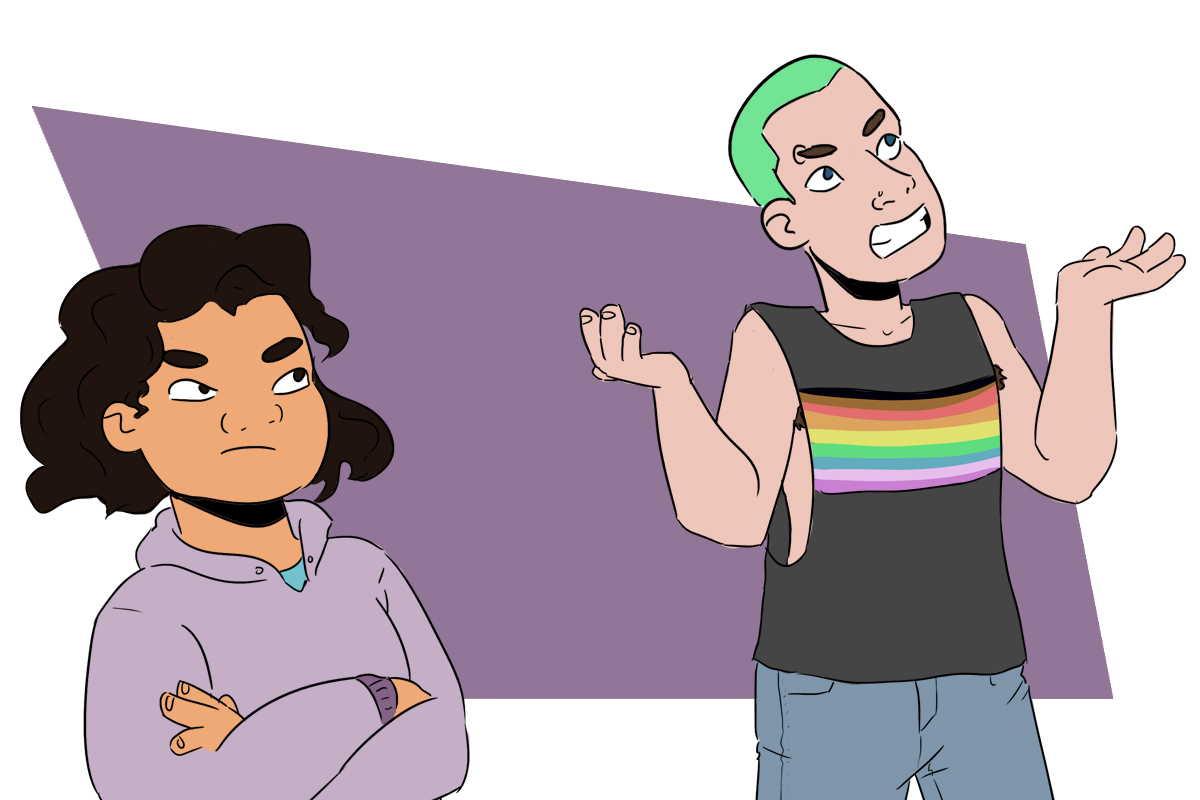
Is it unlawful to be outed by your partner or friends?
The Courts have recognised limited rights of privacy. Generally, it is unlawful to publicise information where publicity would be considered highly offensive. This could include the publicity of a person's sexual orientation or gender identity. Not all publicity will be unlawful (for example where the information is already clearly public) but where information is known only by a very small number of people and where the information is highly sensitive, this might be considered highly offensive.
Also, where a person shares information such as sexual orientation or gender identity with someone with the obligation that they won't share that information with someone else, the sharing of that information without consent could be considered unlawful. Again, this will not be the case where the information is already public.
To enforce rights of privacy and confidentiality, it is necessary to go to court and seek damages or an injunction. This can be a costly and time-consuming process and it’s best to reach out to your local community law centre, like YouthLaw to seek advice.
If you need further support around the impact of being outed, consider reaching out to RainbowYOUTH or rainbow groups in your area.